The selection of materials for making watches is diverse, and considering modern processing capabilities and market offerings, one can exercise endless creativity, while adhering to one important condition – the watches must be precise and reliable. Primarily, this includes steel, followed by brass, bronze, gold, silver, wood, bone, mother-of-pearl, stone, and others. For the aesthetic design of watches, I use intarsia, carving in wood, bone, stone, and casting.
Ivory
To protect endangered species, the World Conservation Union adopted a resolution in 1963 to sign an international agreement. Since 1975, this has been the Convention on International Trade in Endangered Species of Wild Fauna and Flora (CITES), which provides various levels of protection for more than 33,000 animal and plant species. Since then, no species under its protection has gone extinct due to trade. The convention regulates international trade, requiring permits and certificates for the import, export, re-export, and introduction from the sea of certain species. Russia became a party to the Convention in 1992 as the successor to the USSR, which joined in 1976.
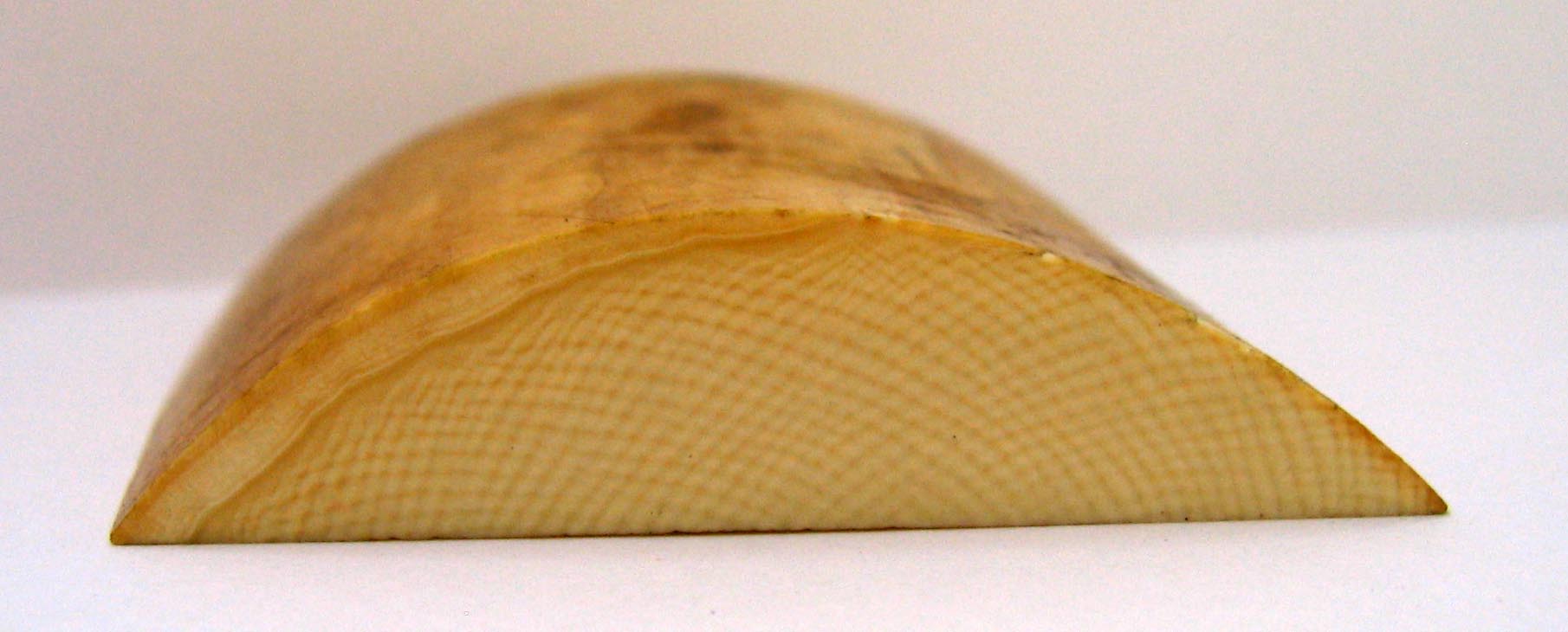
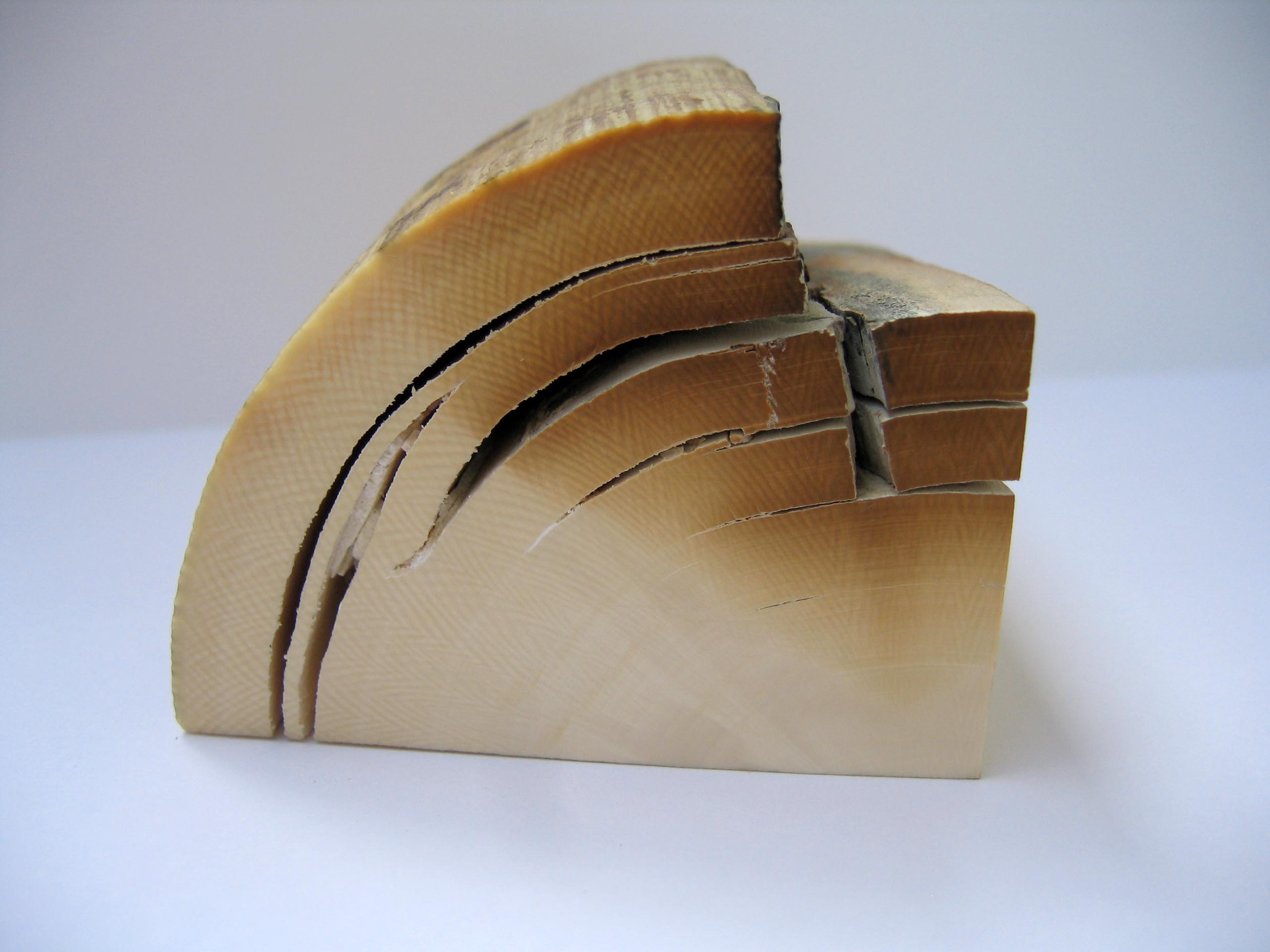
Ivory is the dental material of African and Indian elephant tusks and mammoths. It is very durable and easy to work with. It is exported from Africa and India. In Russia, many mammoth tusks (from extinct elephants) are found in northeastern Siberia. Elephant tusks can reach 2.5 meters in length and weigh 90 kg. The cross-section is elliptical and resembles wood: the surface layer is about 3 mm thick and only slightly differs from the main mass, sometimes darker. Ivory consists of 56–59% calcium phosphate. Hardness averages 2.75–3.5 on the Mohs scale. Density is 1.7–1.85 g/cm³; for mammoth ivory – 2.0–2.2 g/cm³.
Pattern Structure
The typical reticulated pattern on the tusk cross-section exists only in the order Proboscidea (elephants and relatives). However, the angle in the line structure differs by species.
Angle values:
Elephant ivory – 100–120°
Mammoth – 80–90°
Mastodon – 40–50°
Mammoth Tusk Bone
The history of using ivory as a precious decorative material goes back centuries. Ancient Greeks reportedly made statues from it. Ivory was used for covers of sacred books, consular diptychs, dice, and domino pieces (their names preserve the material’s memory). In the 18th–19th centuries, thin ivory plates served as the base for miniature portraits. They were also used for piano keys and inlays.
Ivory trade, being highly profitable, led to the ruthless extermination of populations. Consequently, the Indian elephant and some populations of African savannah elephants were listed under the highest protection (Appendix I WA; Annex A EC Regulation). In 1989, CITES prohibited killing elephants and trading in ivory. However, in 1997, recognizing population recovery in some African countries, CITES allowed Botswana, Namibia, and Zimbabwe to sell 50 tons of ivory to Japan.
CITES regulations do not apply to mammoth tusks, as the species is extinct.
In the European Union, CITES provisions are implemented through Regulation (EC) No. 338/97; Regulation (EC) No. 865/2006, placing African elephant ivory under the highest protection (Category A). Commercial use of ivory requires an official exemption certificate, valid only for ivory imported before January 18, 1990, when CITES listed it under Appendix I. Within the EU, German regulations govern this matter (Amtsblatt der EU No. 1 140/18, 23.05.1997).
Anyone working with this material must keep a dedicated book (Aufnahme- und Auslieferungsbuch according to §8 Bundesartenschutzverordnung) documenting the origin, weight of waste, sawdust, and finished products.
Mother-of-Pearl
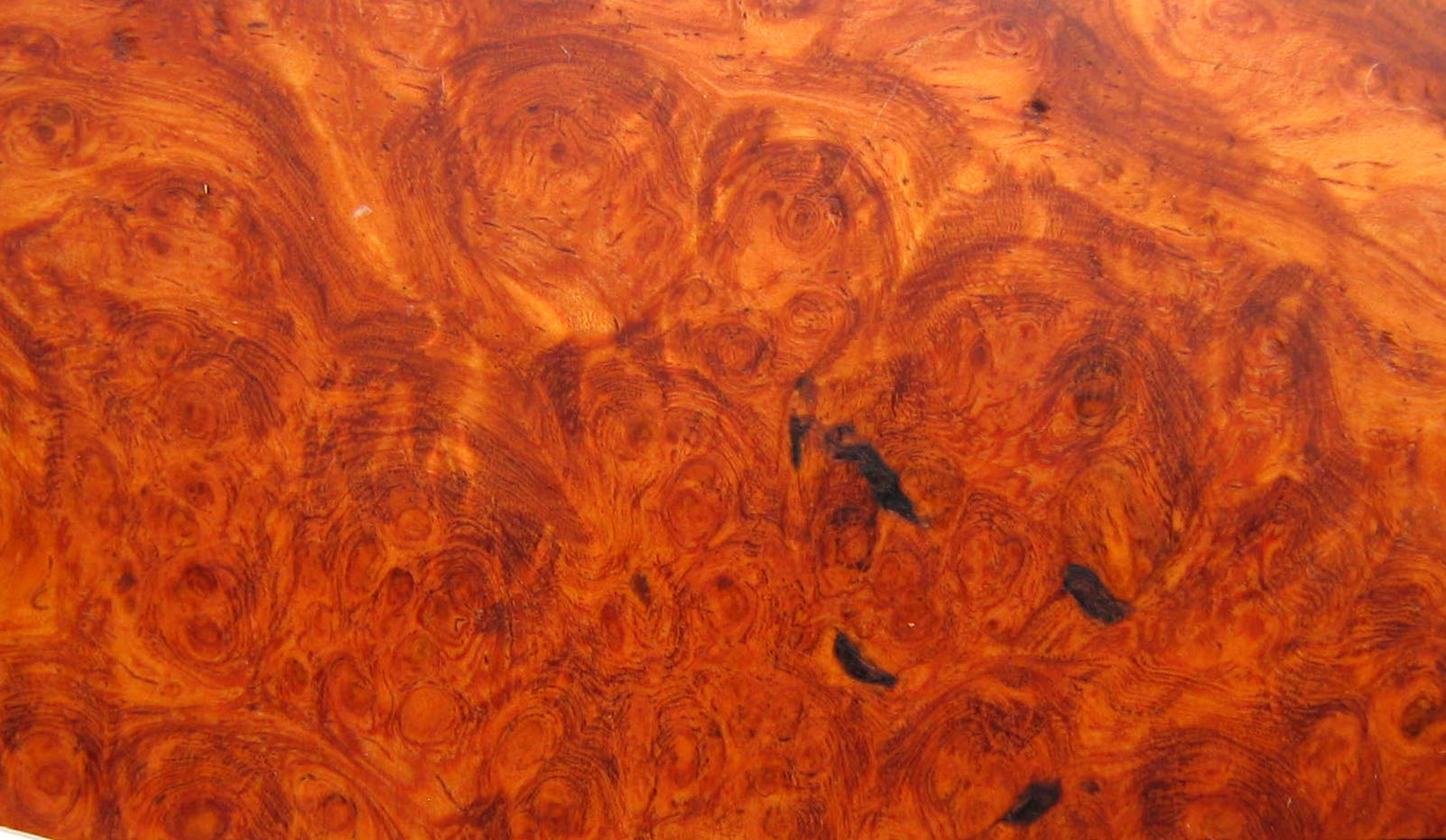
Wood
Interesting
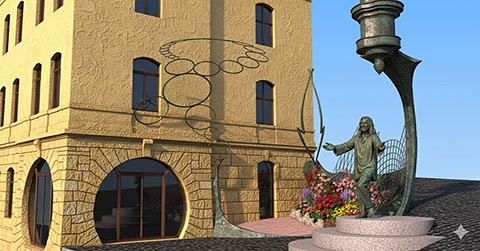
Istvanplatz in front of the Victor Dietel apartment building in Greiz — a Istvan Sky memorial project.
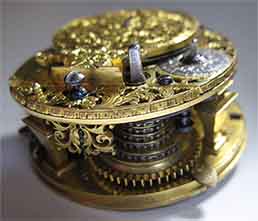
Repair and restoration of bracket clock with a verge escapement, is activated by a fusee (snail) and chain.
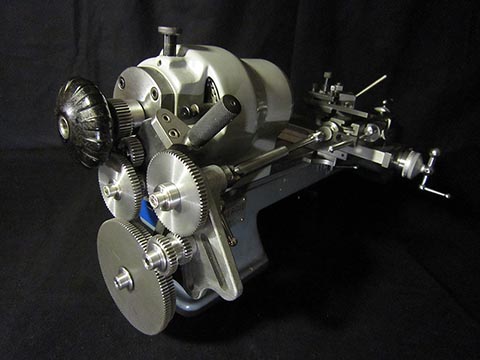
Threading attachment for Schaublin 70 handmade 2016 by Alexander Babel.
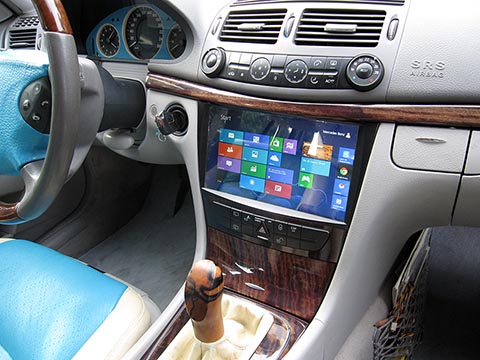
Car-PC for Mercedes Е Klasse W211. Designed and manufactured 2014
Contact
Alexander Babel is autodidakt as designer, engineer, precision mechanic, toolmaker, watchmaker and goldsmith.